
 English
  日本語
日本語  Français
  русский
  Português
  Español
  عربى
عربى  中文简体
中文简体

The best car washing sponge for most vehicles is a high-density natural sea sponge or a microfiber wash pad, not a synthetic foam sponge. Synthetic foam sponges trap grit against the paint and cause fine swirl marks, while natural sea sponges and microfiber pads release dirt particles instead of grinding them into the clear coat. If you only remember one rule from this guide, it's this: the material of your sponge matters more than the brand or the price.
Below, we break down every sponge type, the materials that actually protect your paint, and the washing technique that prevents 90% of scratches caused by improper tools.
Why the Type of Sponge You Use Changes Your Paint's Outcome
Car paint is covered by a clear coat that is only 2 to 4 mils thick (roughly the thickness of a sheet of paper). Every time a sponge drags a piece of dirt or sand across that surface, it creates a micro-scratch. Over hundreds of wash cycles, these micro-scratches accumulate into the hazy "spider web" swirl pattern visible under sunlight or dealership lighting.
The sponge's job is not just to hold soapy water — it's to lift contaminants away from the surface rather than trap and drag them. This is why open-cell, soft materials consistently outperform dense, closed-cell foam in independent detailing tests.
Types of Car Washing Sponges Compared
Not all sponges are built the same. Here's how the four most common types compare on scratch risk, water retention, and cost.
| Sponge Type | Scratch Risk | Water Retention | Avg. Lifespan | Best For |
|---|---|---|---|---|
| Natural Sea Sponge | Low | High | 2–3 years | Daily drivers, dark paint |
| Microfiber Wash Pad | Very Low | Medium | 1–2 years | Show cars, new vehicles |
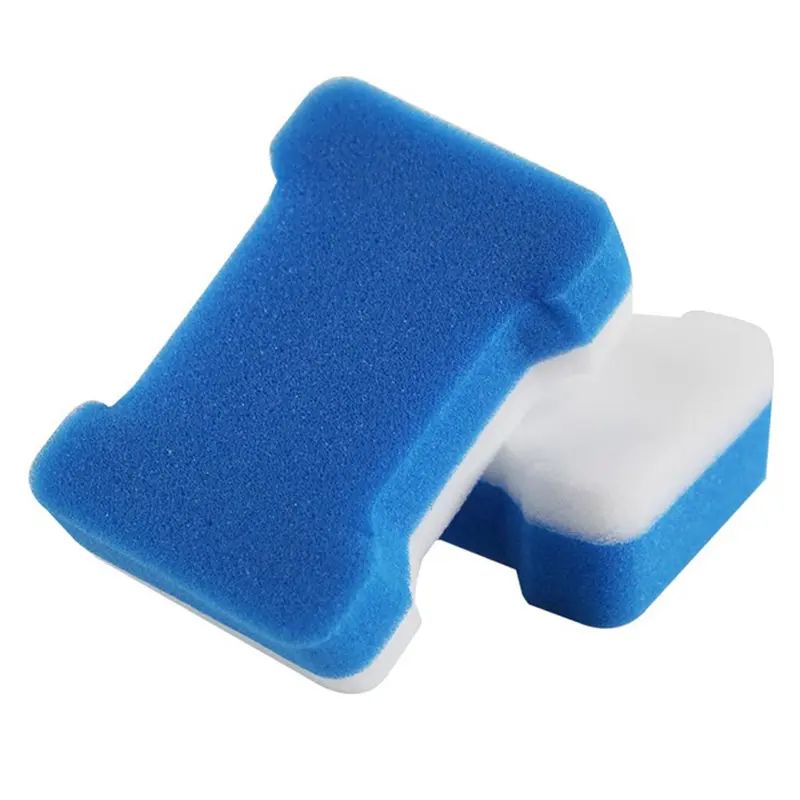
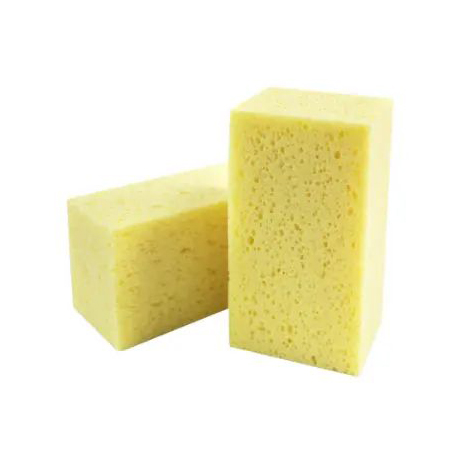
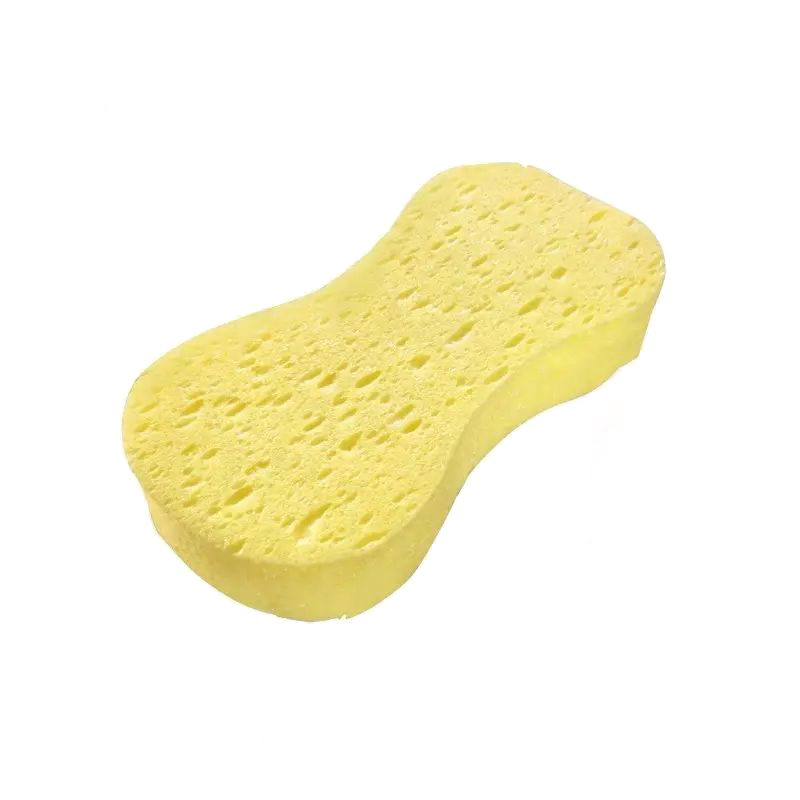
| Synthetic Foam Sponge | High | Low | 6–12 months | Budget washes, wheels only |
| Chenille Wash Mitt | Very Low | High | 2+ years | All paint types, all conditions |
Materials That Protect Your Paint (and Ones to Avoid)
Natural Sea Sponge
Harvested ocean sponges have an irregular, open-pore structure that flushes dirt out as you rinse, rather than holding it inside the foam. They're naturally antibacterial, which reduces odor buildup compared to synthetic alternatives.
Microfiber
Microfiber wash pads use split fibers that are 10–100 times finer than human hair, allowing them to encapsulate dirt particles inside the fiber rather than dragging them across the surface. This is the closest material to "scratch-proof" available for hand washing.
Closed-Cell Synthetic Foam
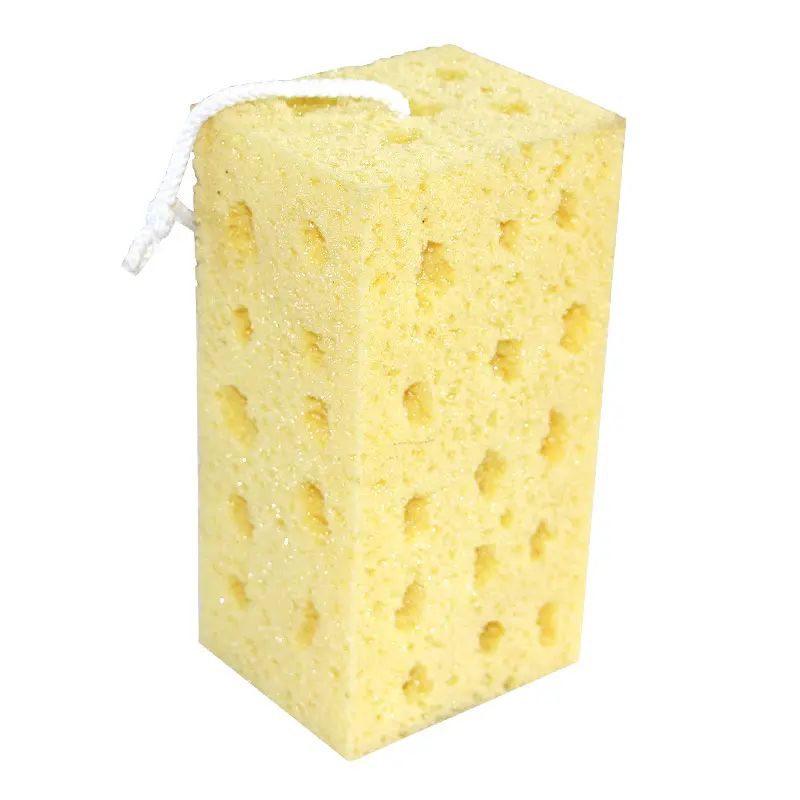
Common dollar-store sponges use dense, closed-cell foam. Because the surface doesn't flex or release particles easily, grit stays embedded in the foam and acts like sandpaper on the next pass. Avoid this material for anything beyond wheels or tires.
Chenille
Chenille mitts use long, looped fingers of yarn-like material that hold a large volume of soapy water and create distance between the dirt and the mitt's backing. This makes them a strong middle-ground option between sea sponges and microfiber.
The Scratch-Free Washing Technique
Even the best sponge material can't prevent swirl marks if your technique is wrong. Follow this sequence every time:
- Rinse the entire vehicle first to remove loose dirt before the sponge touches the surface.
- Use the two-bucket method: one bucket with soap solution, one with plain water for rinsing the sponge between passes.
- Wash from the top of the vehicle down, since lower panels accumulate the heaviest road grime.
- Use straight, light-pressure strokes instead of circular scrubbing motions.
- Rinse the sponge in the clean-water bucket after every 2–3 strokes.
- Dry with a separate microfiber towel — never let the sponge double as a drying tool.
Detailing studies consistently show that the two-bucket method reduces swirl-mark formation by removing grit from the sponge before it's reapplied to the paint, making it the single biggest technique upgrade most car owners can make.
Common Mistakes That Cause Scratches
- Using a single sponge for the wheels and the body without rinsing — brake dust contains metal shavings that gouge paint.
- Washing in direct sunlight, which dries soap too fast and increases friction.
- Dropping the sponge on the ground and reusing it without rinsing out embedded grit.
- Using dish soap, which strips wax and leaves the surface more vulnerable to friction damage.
- Reusing a sponge for 6+ months without checking for trapped grit or mildew buildup.
How to Maintain and Replace Your Sponge
After each wash, rinse the sponge thoroughly and squeeze out excess water — never wring or twist natural sea sponges, as this breaks down their fiber structure. Store it in a ventilated container, not a sealed bag, to prevent mildew.
As a general rule, replace your wash sponge or mitt every 3 to 6 months with regular weekly use, or immediately if you notice a stiff texture, persistent odor, or visible grit that won't rinse out.
Quick Buying Checklist
- Choose natural sea sponge or microfiber over synthetic foam for body panels.
- Keep a separate, clearly marked sponge for wheels and tires.
- Pair any sponge with the two-bucket washing method for best results.
- Avoid sponges with stiff, abrasive backing or scouring pad attachments.